Hurricane season 2026: nursing home evacuation checklist
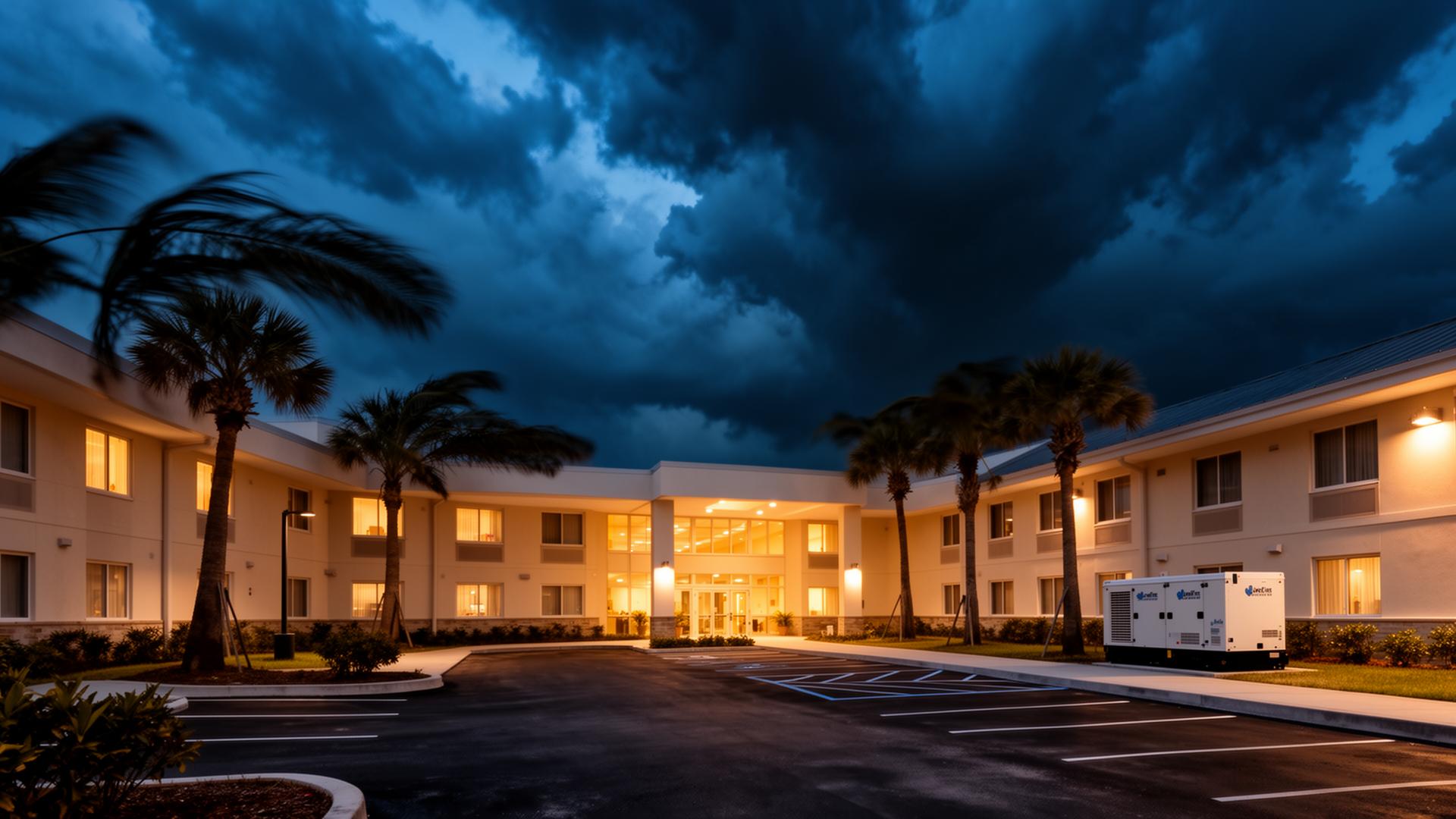
The first named storm of the 2026 Atlantic season formed off the Lesser Antilles last week, and the National Hurricane Center already has two more disturbances under watch. For families with a parent in a coastal or inland-Southeast nursing home, the next eight weeks are the planning window that matters. Most resident deaths attributed to hurricanes since 2017 happened inside long-term care facilities that either evacuated too late, sheltered in place without backup power, or returned residents to flooded buildings before they were habitable. None of those failures are mysterious. Each one traces back to a written plan that was either missing, out of date, or never tested with the staff who would actually run it on the night. This guide walks through the federal rules a US nursing home must meet, the six questions a family can get answered in a single visit this week, and the resident rights that hold even when a storm is 36 hours out.
Why the 2026 season is different
The National Oceanic and Atmospheric Administration's 2026 outlook from its National Hurricane Center calls for an above-normal Atlantic season, with 14 to 21 named storms and a 65 percent probability of an above-average count of major hurricanes. Sea surface temperatures in the main development region entered June already running warmer than the 1991 to 2020 baseline, which historically correlates with stronger rapid-intensification events close to the US coast. For coastal long-term care, the operational risk is not just direct wind. It is the cascading combination of a mandatory evacuation order, a 12 to 24 hour transport window, and a receiving facility 200 miles inland that may itself be running on generator power by the time residents arrive. Inland Southeast homes that historically planned for hurricanes as a coastal problem are now in the path of weakening but still-flooding storms that reach Atlanta, Charlotte and Nashville with intact rainfall cores. The HHS Office of the Assistant Secretary for Preparedness and Response publishes a long-term care emergency preparedness topic collection that walks through these scenarios in plain language; a printed copy in the administrator's office is a good sign on its own.
What federal rules a US nursing home must meet
Every Medicare- and Medicaid-certified nursing home in the country is bound by the CMS Emergency Preparedness rule, codified at 42 CFR 483.73. The rule has four pillars. First, a written risk assessment specific to the facility's location, hazards and resident population. Second, a written plan covering evacuation, shelter-in-place, communications and continuity of operations. Third, staff training on the plan, with documented sign-offs. Fourth, two exercises a year, one of which must be a full-scale community drill where geographically feasible. The written plan, the training log and the most recent exercise after-action report are facility records. A family member can ask to read all three during normal business hours. A home that needs more than one business day to produce them is a home where the plan likely exists on paper but has not been opened in months. The state survey agency cites this rule routinely, and citations are public on Medicare.gov Care Compare under the Health Inspection tab.
Evacuate or shelter in place: how the call gets made
The single most consequential decision in a hurricane is whether to move residents or hold them. Both options carry real risk. Transport itself kills frail residents through dehydration, missed medications and the physiological stress of a long bus ride in summer heat, which is why state health departments do not order blanket evacuations lightly. Sheltering in place fails when the generator runs out of fuel, when the building floods, or when staff cannot get back through closed roads. A good plan names a specific wind-speed and storm-surge threshold at which the facility transitions from shelter-in-place to evacuation, and it names the local emergency manager who issues the trigger. A poor plan says the administrator will make the call when the time comes. Ask the question directly on the next visit. At what forecast wind speed or surge height does this building evacuate. If the answer is a number, follow up with where the threshold is written in the plan. If the answer is a phrase, the plan is not operational.
The partner facility question most families never ask
Federal rules require a written transfer agreement with at least one receiving facility, but they do not require the facility to be a sensible one. After Hurricane Ian in 2022, multiple Florida nursing homes had paper agreements with sister facilities in the same evacuation zone, which meant the partner facility was itself ordered out on the same day. Ask three specific questions. What is the name and address of the primary partner facility. How far inland is it from the current building and from the projected storm track for a Category 3 landfall in this county. Who holds the transport contract, and does that contractor have a guaranteed bus or ambulance count reserved during a regional evacuation. The transport question is the one that most often surfaces a weak plan. A facility that contracts with a single local ambulance company for a 90-bed building is relying on the same vehicles every other home in the county will call at the same hour. A facility that names a regional bus operator with a written priority clause has done the work. Our companion piece on 12 red flags families can spot in the first 10 minutes of a tour covers the broader operational signals that often track with weak emergency planning.
Backup power: the number the plan has to contain
CMS rules require every nursing home to maintain emergency power that keeps a safe indoor temperature, runs life-support equipment and maintains lighting in resident areas. The rule does not set a minimum generator run time in hours, but a credible plan does. Ask the maintenance director for two numbers. How many hours can the building hold a safe indoor temperature on a full fuel tank with the current resident census. What is the fuel resupply contract, including the supplier name, the priority tier and the typical resupply window after a regional outage. The Federal Emergency Management Agency's Ready.gov resource for older adults flags the resupply contract as the single most overlooked element of facility-level planning. Hurricane Irma in 2017 killed 12 residents in a single Florida home where the generator ran but did not power the air conditioning, and the resupply truck was held up at a county line. The state's response was Florida Rule 59A-4.1265, which now requires 96 hours of cooling capacity. Twelve states have followed with similar rules. Check whether your state has a generator standard above the federal floor, and whether the home meets it.

Resident rights that hold during a storm
Two rights matter most and are the ones most often broken in the days after a storm. First, a resident has the right to refuse a transfer. A nursing home cannot move a competent resident against their will, even on the eve of a mandatory evacuation, without going through the same involuntary discharge process required at any other time. In practice, families are sometimes told the resident must leave with the bus or be left behind, which is not the law. The right answer is to document the refusal in writing, have the resident or the health-care proxy sign it, and confirm in writing that the home will continue to provide care through the event. Second, a resident has the right to return to the same building and the same room after an evacuation, as long as the building is habitable and the resident still meets the level of care provided there. Beds get reassigned in the chaos of a reopening, and families have to push to enforce the return right. The National Consumer Voice for Quality Long-Term Care maintains a resident rights resource center and a state-by-state list of long-term care ombudsmen, who are the right people to call if either right is contested. Our guide on how to fight a 30-day involuntary discharge notice covers the legal process in detail.
Build the resident go-bag this weekend
A resident go-bag is the one thing a family controls completely, and it makes the difference between a 90-minute boarding window and a chaotic one. Pack a single labeled plastic tub and store it in the resident's closet. Include a printed medication list with drug names, doses and schedules; a 14-day supply of any medication the resident routinely takes if a pharmacy fills early refills before a named storm, which most will; a copy of the advance directive and the health-care proxy designation; a copy of the insurance card and a government photo ID; a recent printed photo of the resident with name, date of birth and home facility written on the back; one change of clothes including a cardigan because evacuation transport and receiving facilities run cold; eyeglasses, hearing aid batteries and any other adaptive equipment; a small comfort item the resident recognizes, which matters more than families expect when the resident wakes in an unfamiliar building. The National Institute on Aging publishes a free disaster preparedness guide for older adults that includes a printable bag checklist. Update the contents in June each year and again on the resident's birthday, which is an easy date to remember.
Your six questions for this week's visit
Six questions answered on a single visit will tell you whether your parent's home is ready for the August peak. First, can I read the most recent emergency preparedness exercise after-action report. Second, at what forecast wind speed or storm surge does this building evacuate, and who issues the trigger. Third, what is the name and address of the primary partner receiving facility, and how far is it from the current building. Fourth, who holds the transport contract and what is the guaranteed vehicle count during a regional evacuation. Fifth, how many hours of safe indoor temperature can the generator hold on a full fuel tank, and who is the fuel resupply contractor. Sixth, what is the family notification protocol once an evacuation order is issued, including the call tree, the text message system and the website status page. A home that answers all six in writing within one business day has done the work. A home that cannot is one to escalate to the state long-term care ombudsman before the next named storm. The Centers for Disease Control and Prevention publish a hurricane health and safety resource that families can hand to the administrator at the next care plan meeting. If the visit raises bigger questions about whether the current home is the right fit, our guides on signs your parent needs more care than home allows and the 2026 admission playbook cover the next decisions, and our hidden costs guide walks through the fees that can show up after an evacuation transfer.
Frequently asked questions
Authoritative sources
Figures, rules and claims in this post are drawn from these official and independent sources.
- Emergency Preparedness Rule for healthcare providers
Centers for Medicare & Medicaid Services
- National Hurricane Center: 2026 Atlantic outlook and active storm tracking
NOAA National Hurricane Center
- ASPR TRACIE long-term care emergency preparedness resources
HHS Office of the Assistant Secretary for Preparedness and Response
- Older adults and disaster preparedness
FEMA Ready.gov
- Disaster preparedness for older adults
National Institute on Aging
- Resident rights and long-term care ombudsman directory
National Consumer Voice for Quality Long-Term Care
- Hurricane health and safety
Centers for Disease Control and Prevention
Related guides on this site
More from the blog


About this post
Written and reviewed by the Nursing Home Match editorial team. We update posts as the underlying rules and data change. This post is general information, not personal medical, financial or legal advice, always confirm details on Medicare.gov Care Compare or My Aged Care before making decisions.