Nursing home ombudsman: file a complaint that gets action
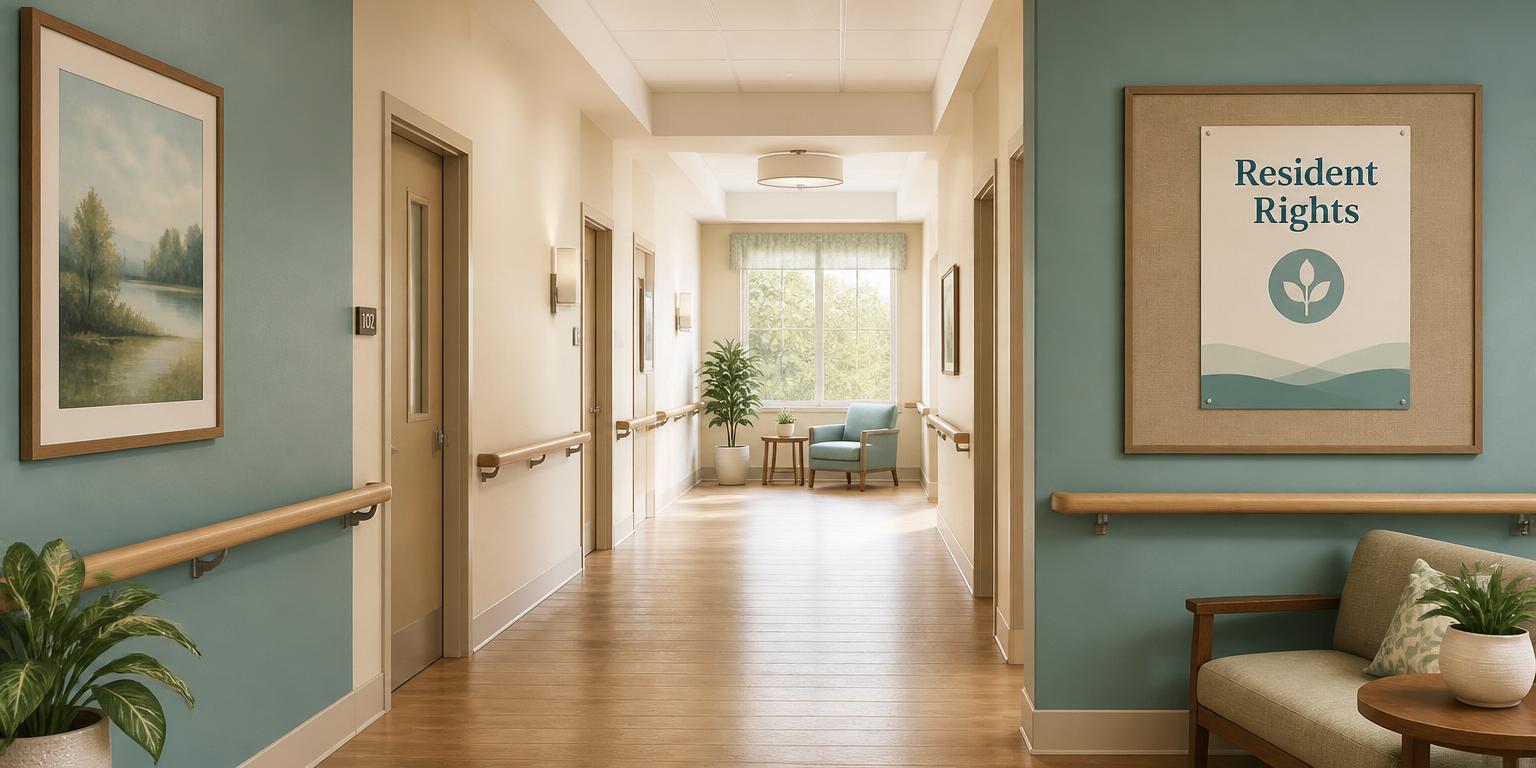
The single most under-used phone number in American nursing home care is printed on a bulletin board inside the front lobby of every certified facility in the country. It is the number for the local Long-Term Care Ombudsman, a free advocate paid by the federal Older Americans Act to work only for the resident. Families walk past that board on every visit. They call the director of nursing when a hearing aid disappears, they call the corporate hotline when a bill looks wrong, and they email the social worker when mum is discharged with 30 minutes notice. Very few families call the ombudsman, and the ones who do usually get a faster answer than any of the other channels produce. This guide explains what the ombudsman program actually is in 2026, when to use it instead of the state survey agency or Adult Protective Services, how to write a complaint that gets picked up on the first read, and the paper trail that turns a phone call into a documented, closed case.
What the ombudsman program actually is
The Long-Term Care Ombudsman program is a federal advocacy service written into the Older Americans Act of 1978 and delivered by every state through a designated State Long-Term Care Ombudsman office, with paid regional staff and trained volunteers assigned to specific nursing homes and assisted living communities in their catchment area. The program is administered nationally by the Administration for Community Living and coordinated across states by the National Consumer Voice for Quality Long-Term Care. The single most important structural fact is who the ombudsman answers to. They do not work for the facility, they do not work for the state health department that inspects the facility, and they do not work for the family who calls. They work for the resident, and their file on any complaint is confidential unless the resident gives written permission to share it. That single feature is what makes the ombudsman effective in situations where a resident is afraid of retaliation and a family is worried that a complaint will land on their parent's care plan the same afternoon.
Ombudsman vs state survey vs Adult Protective Services
Three different agencies handle nursing home complaints, and using the wrong one is the most common reason a first call goes nowhere. The ombudsman is the right first call for most quality-of-life and quality-of-care issues that are not immediately dangerous, including missed showers, cold food, roommate conflicts, lost personal items, staffing shortages, care plan disputes, billing disputes over the resident's personal needs allowance, and problematic discharge notices. The state survey agency, which in most states is the department of health or an equivalent unit, is the right call for anything that violates a federal certification requirement and needs a formal on-site investigation, and every state maintains a nursing home complaint hotline listed at Medicare.gov Care Compare. Adult Protective Services is the right call, alongside 911 if the resident is in immediate danger, for suspected abuse, neglect resulting in harm, financial exploitation and criminal conduct. The three agencies routinely share intake information with each other, and it is standard practice to file with more than one on the same day when the situation crosses categories. Our guide to signs of elder abuse in nursing homes families miss walks through the specific patterns that should push a report toward APS rather than the ombudsman.
When to call the ombudsman first
There is a recognizable pattern where the ombudsman is the fastest useful call. The issue is real and ongoing, but nobody is in immediate danger. The family has already raised it with the charge nurse or the director of nursing at least once, and the answer was vague, defensive or slow. The resident is anxious about retaliation and does not want their name attached to a complaint on the facility's grievance log. Or the family is out of state and needs someone local to actually walk the building and see the situation with their own eyes. In any of those patterns the ombudsman is designed to be the right first call. They will usually return a voicemail inside one business day, they can visit the facility unannounced under federal law, they will speak to the resident privately in a place the staff cannot overhear, and they will not disclose the resident's identity to the facility without written consent.
How to find your local ombudsman in under two minutes
There are three reliable directories, and the ombudsman program is one of the very few federal programs where the same phone number works whether you call the national office, the state office or the local office. The fastest route is the national locator maintained by the National Long-Term Care Ombudsman Resource Center, which takes a zip code and returns the local office. The Eldercare Locator run by the Administration for Community Living gives the same result and also connects to the local Area Agency on Aging. And the resident bill of rights poster required by federal regulation and posted in every certified nursing home lists the local office phone number by name, address and, in most states, the name of the specific ombudsman assigned to that building. If a family is trying to research a facility before placement, the state ombudsman office will confirm on the phone whether they have an open case file against a specific building, which is a data point that does not appear on any public rating site and that our CMS Special Focus Facility watch list guide does not fully cover.
The first phone call: what to say
The first call is short and it has a shape. Give the resident's full name, the facility's full name and address, the room number and the resident's date of birth. State whether you are calling as the resident, a family member, a court-appointed guardian or a friend, and whether you have written permission from the resident to share their name with the facility. Describe the issue in three or four sentences using the format 'on [date], [what happened], [who was involved by role or shift], [what the resident asked for and did not get]'. Ask three questions at the end of the call: what is the intake case number for this complaint, who is the assigned ombudsman for the facility, and what is the ombudsman's own timeline for a first response. Write all of that down. That single note is the beginning of the paper trail, and it is the reason a complaint that was going to sit in a queue for two weeks moves to the top of the pile inside 48 hours. Do not describe the resident's condition in medical shorthand the intake worker will not recognize, and do not open with the corporate name of the operator or a threat to call the state. The ombudsman is the state, in the sense that matters to the facility, and treating them as the first serious step rather than the last resort is what changes the tone of the response.

The paper trail that turns a complaint into an investigation
Ombudsmen close roughly 198,000 complaint files a year according to the most recent federal ombudsman program data, and the complaints that close with the outcome the resident asked for share the same paperwork. Keep a single running note with dates, shift times, staff names or roles, and the exact words used in any conversation. Take a photo of every notice the facility hands the resident, especially any 30 day discharge notice, and read the discharge appeal guide if a notice arrives. Save every email and every printed letter in one folder, physical or digital, organized by date. Ask the facility in writing for a copy of the resident's care plan, the last quarterly Minimum Data Set assessment, the medication administration record for any period in dispute, and the grievance log entry for any complaint the family has already filed with the facility. Federal regulation requires the facility to provide the resident's records to the resident or their legal representative within two working days of a written request. If those documents are not produced, add that fact to the ombudsman file as a separate complaint, because failure to produce records is itself a federal certification issue and it moves the case to the top of the state survey queue on its own.
What actually happens after you file
The ombudsman opens an intake, calls the resident or family back to confirm details, and then decides whether to work the complaint by phone or by visiting the facility. Most complaints are worked by a combination of both. The ombudsman meets the resident privately, reviews the records the resident authorizes them to see, and negotiates directly with the administrator, the director of nursing or the corporate representative. Ombudsmen do not have enforcement authority, meaning they cannot fine the facility or revoke a license, but the state survey agency can, and ombudsmen refer complaints to the survey agency whenever a violation of a federal certification requirement is likely. Their power comes from three places: unrestricted access to the building, direct access to the resident, and a documented federal file that follows the facility through its next survey cycle. In practice, most of the routine complaints, meaning lost laundry, missed showers, cold food, roommate reassignment, personal needs allowance disputes and short staffing, are resolved by the ombudsman inside two to four weeks without any state agency involvement at all. The complaints that involve care plan disputes, discharge notices, medication management or possible neglect are more likely to be co-worked with the state survey agency, and the timeline stretches to 30 to 90 days depending on how quickly the survey team can be on site.
When to escalate, and to whom
If the ombudsman file has been open for more than 30 days on a serious complaint and the facility has not responded, the next call is to the state ombudsman office, one level above the local ombudsman, and to the state survey agency's complaint hotline listed on Medicare.gov Care Compare. If the issue involves financial exploitation, physical or sexual abuse, or neglect that has caused harm, call Adult Protective Services the same day the ombudsman is called, and dial 911 if there is any current risk. If the resident is on Medicare and the complaint involves billing, the Medicare Beneficiary Ombudsman at 1-800-MEDICARE handles that class of case separately from the long-term care ombudsman. If the resident is a veteran, the VA regional Patient Advocate handles complaints about VA-contracted nursing home beds. And if a facility retaliates against a resident who filed a complaint, whether by an unexpected discharge notice, a room transfer, a change in care assignment or a sudden family visiting restriction, retaliation is a separate federal violation. File that as its own complaint the day it happens, and do not let it be folded into the original file. Retaliation cases are one of the fastest tracks the state survey agency has, and they are one of the few paths that reliably trigger an on-site visit in under a week.
Frequently asked questions
Authoritative sources
Figures, rules and claims in this post are drawn from these official and independent sources.
- Long-Term Care Ombudsman program overview
Administration for Community Living
- State ombudsman program directory
National LTC Ombudsman Resource Center
- Consumer resources on nursing home complaints
National Consumer Voice for Quality Long-Term Care
- Eldercare Locator
Administration for Community Living
- Nursing home complaint filing and Care Compare
Medicare.gov
- Adult Protective Services program
Administration for Community Living
- Your Medicare rights
Medicare.gov
Related guides on this site
More from the blog


About this post
Written and reviewed by the Nursing Home Match editorial team. We update posts as the underlying rules and data change. This post is general information, not personal medical, financial or legal advice, always confirm details on Medicare.gov Care Compare or My Aged Care before making decisions.