Signs of elder abuse in nursing homes families miss
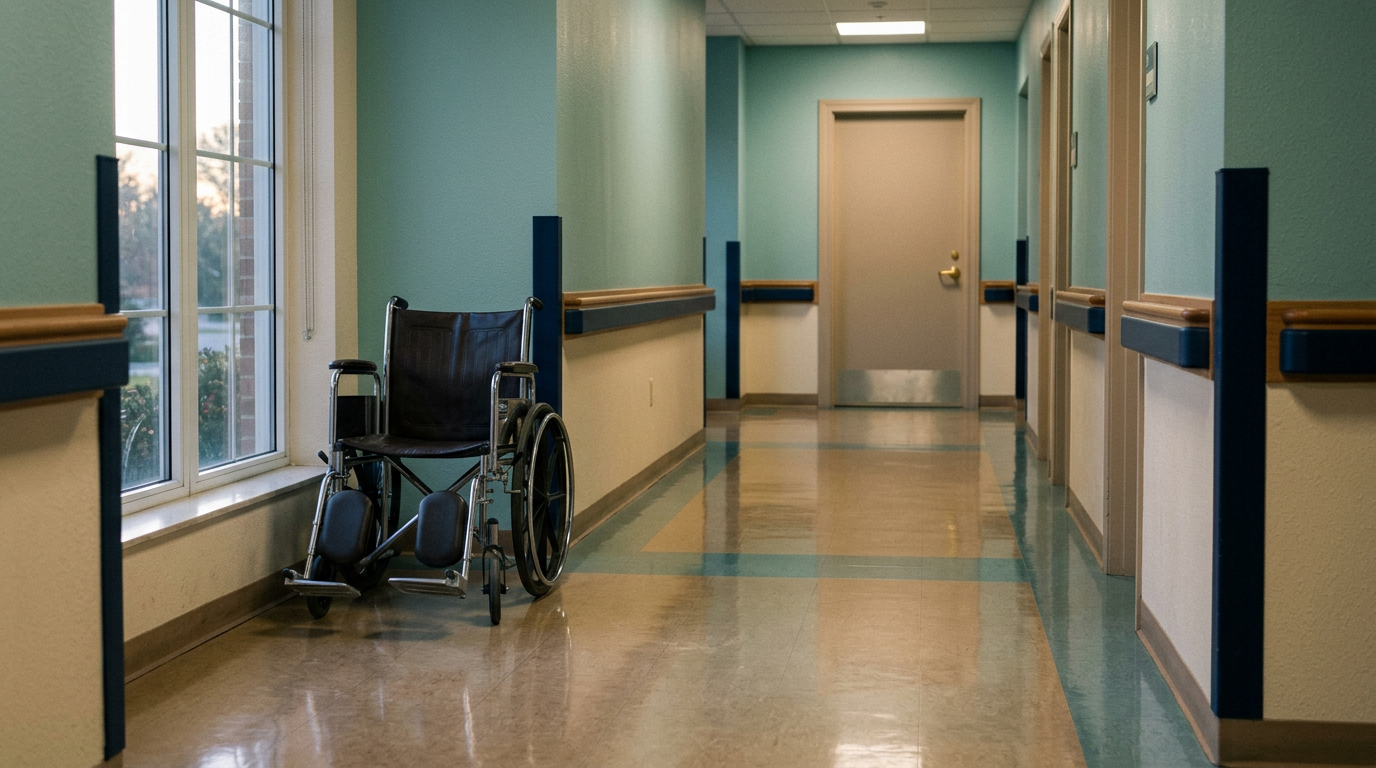
If you visit a parent in a nursing home this June and something feels off, trust that feeling. The clearest signs of elder abuse in nursing homes are rarely dramatic. They show up as a bruise no one can explain, a sudden flinch when a particular aide walks in, a half-eaten tray pushed aside three meals in a row, or a bank statement with a withdrawal a daughter did not authorize. World Elder Abuse Awareness Day falls on June 15, and it is the one time of year when families, staff and regulators all look at the same buildings with fresh eyes. This guide walks through the seven recognized categories of abuse, the physical and behavioral cues that surface first, the facility patterns that quietly produce neglect, and the exact steps to document and report a concern in a way that actually gets acted on.
Why so much nursing home abuse goes unseen
The National Council on Aging estimates that around 1 in 10 Americans aged 60 and older experience some form of abuse each year, and that only about 1 in 24 cases is ever reported to authorities. Inside nursing homes the under-reporting is sharper still. Residents with dementia, hearing loss or limited speech cannot easily describe what happened. Family members often visit at the same time each week, so they see the same staff and the same routines. Aides who witness colleagues mistreating a resident face a real career cost for reporting. The result is a quiet pattern where serious harm builds for months before anyone outside the building notices, then surfaces as a hospital admission, a fall with fracture, or a financial loss that finally pulls a relative into the chart. June is the right month to break that pattern. The National Center on Elder Abuse publishes free resources and family checklists tied to Elder Abuse Awareness Day, and the Administration for Community Living lists every state event and contact in one place.
The seven recognized categories of elder abuse
Federal and state agencies group abuse into seven categories, and knowing the language helps you describe concerns precisely when you call. Physical abuse covers hitting, slapping, rough handling during transfers, and overuse of physical or chemical restraint. Sexual abuse covers any non-consensual contact, including with residents who lack capacity to consent. Emotional or psychological abuse covers verbal threats, humiliation, isolation and the use of fear as a behavior-management tool. Neglect is the failure to provide food, hydration, hygiene, mobility, medication or medical attention a resident is owed under the care plan. Abandonment is a specific subcategory where a caregiver simply stops providing care without arranging cover. Financial exploitation covers theft of cash and possessions, unauthorized use of bank accounts, coerced changes to wills or powers of attorney, and steering of personal-needs allowances. Self-neglect describes a resident who, often due to untreated cognitive or psychiatric illness, cannot manage basic safety needs and is not being adequately protected by the facility. Most real cases involve more than one category at once.
Physical signs that should never be dismissed
Some injuries have an obvious mechanism and a documented incident report; many do not. The cues to take seriously as possible abuse or neglect include: bruising in patterns that do not match a fall (paired bruises on both upper arms suggest grip injuries, bruises on the inner thighs raise sexual assault concerns), pressure injuries on the sacrum, heels or hips that were not present at admission, repeated unexplained skin tears, burns from bath water or restraints, broken eyeglasses or torn clothing without an incident note, weight loss greater than 5 percent in a month without a documented medical cause, dehydration markers on routine bloods, urinary tract infections that recur every few weeks, and over-sedation that leaves the resident hard to rouse during normal daytime visits. Photograph any visible injury with the date stamp on, and ask to see the matching nursing note and incident report the same day. A facility that cannot produce contemporaneous documentation for a serious injury is telling you something on its own.
Behavioral and emotional signals that surface first
Behavioral change almost always precedes physical evidence. The most reliable signals families pick up include: a resident who becomes silent or withdrawn around a specific staff member, sudden fear or agitation at bath time, bedtime or shift change, new refusal of food when a particular aide is on the floor, rocking, mumbling or other self-soothing behaviors that were not present a month ago, refusal to be left alone in the room, and visible relief when the family arrives or when a trusted aide takes over. In residents with dementia, where words may fail, watch the face during transfers and personal care. A wince that is not explained by an injury, a flinch on touch, or a sudden change in sleep pattern is a clinical signal. Keep a dated log, even if each entry feels small. Patterns across two or three weeks are what give an ombudsman or surveyor something concrete to investigate.
Financial exploitation: the quiet category
Financial exploitation is the fastest-growing category of elder abuse in long-term care, and the easiest to miss because the resident often has no idea it is happening. The FBI Elder Fraud Report 2024 recorded more than $4.8 billion in losses among adults over 60, with long-term care residents disproportionately represented. Inside a nursing home the warning signs include: missing personal items (jewellery, hearing aids, phones), withdrawals from the personal-needs trust account the resident did not request, bank statements showing transactions in the early hours or while the resident was hospitalized, sudden changes to a power of attorney or healthcare proxy that the family was not consulted on, new beneficiaries on accounts or life insurance, and unexplained cancellation of long-standing subscriptions or services. Ask the facility for a quarterly statement of the personal-needs account and reconcile it line by line. If the math does not work, escalate to the administrator in writing the same day. For the broader cost picture families often miss, see our guide on hidden costs of nursing home care.

Facility patterns that quietly produce neglect
Most neglect inside nursing homes is not the work of a single bad actor. It is the predictable outcome of buildings that are chronically understaffed, leaning on agency nurses and turning over aides at 60 percent a year. The patterns to read on CMS Care Compare before drawing conclusions: total nurse hours per resident day below 3.5, RN hours below 0.55, a weekend staffing drop greater than 15 percent against weekdays, repeated substantiated complaints in the last three survey cycles, and antipsychotic use materially above the national average without documented psychiatric diagnoses. Inside the building, watch for the smell of urine in late afternoon (a near-certain signal of understaffed continence care), call lights that ring for more than 10 minutes without response, residents parked in front of a television with no activity for hours, and dining rooms where aides are feeding three residents at once. Our 2026 staffing crisis explainer covers the federal minimum and how to read the numbers, and our tour red flag checklist walks the building room by room.
How to document a concern before you report
A complaint with dates, names and photographs is investigated. A complaint without them is filed. Before you escalate, build a simple evidence pack. Open a dated notebook or a shared phone note and record every visit: time of arrival, who was on duty, what you observed, exact words used by the resident, condition of the room and the resident's skin, food and fluid intake if visible, and any conversation with staff. Photograph injuries with a ruler or coin for scale and keep the metadata intact. Request copies of the care plan, the most recent MDS assessment, all incident reports for the resident in the last 90 days and the personal-needs account statement. The facility is required to provide these on written request. Ask the resident's primary physician to document concerning findings in the medical record, which carries different evidentiary weight from a family note. Two weeks of clean documentation almost always shifts how seriously a complaint is taken.
How to report and what actually happens next
There are three federal-backed channels and you can use them in parallel. First, contact the Long-Term Care Ombudsman for your state through the National Long-Term Care Ombudsman Resource Center. Ombudsmen are advocates, not regulators; their visit is often the fastest way to get a facility's attention and they can attend care-plan meetings on your behalf. Second, file a complaint with the state survey agency, which has authority to investigate, cite deficiencies and impose civil monetary penalties under federal CMS rules. The state agency contact list is published by CMS. Third, if you suspect a crime, abandonment or imminent danger, call local Adult Protective Services and, where appropriate, 911. APS contacts are listed by state through Eldercare Locator. Investigations typically begin within 10 working days for non-immediate jeopardy complaints and within 2 working days where serious harm is alleged. Keep a copy of every complaint number. If the facility retaliates by restricting visits or threatening discharge, that is itself a federal violation and should be escalated immediately. Once the case is moving, our provider comparison and search tools can help you shortlist a safer alternative facility if a transfer becomes the right call.
Frequently asked questions
Authoritative sources
Figures, rules and claims in this post are drawn from these official and independent sources.
- Elder Abuse Facts
National Council on Aging
- National Center on Elder Abuse
Administration for Community Living / USC
- Elder Abuse Awareness
Administration for Community Living
- Long-Term Care Ombudsman Program
National Ombudsman Resource Center
- Quality, Safety & Oversight: State Survey Agency Contacts
Centers for Medicare & Medicaid Services
- Eldercare Locator
Administration on Aging
- FBI Elder Fraud Report 2024
Federal Bureau of Investigation, IC3
- Nursing Home Care Compare
Centers for Medicare & Medicaid Services
Related guides on this site
More from the blog


About this post
Written and reviewed by the Nursing Home Match editorial team. We update posts as the underlying rules and data change. This post is general information, not personal medical, financial or legal advice, always confirm details on Medicare.gov Care Compare or My Aged Care before making decisions.